

The global energy market has been undergoing structural fragmentation in recent years. Increased competition for resources, high growth rates in energy demand in Asia, geopolitical risks and energy security are becoming determining factors in the development of new routes and infrastructure projects.
In this context, India, one of the world’s largest economies, continues to increase its gas consumption. According to forecasts by the International Energy Agency (IEA), consumption will grow by almost 60% — from 65 billion cubic metres in 2023 to 103 billion cubic metres by 2030, and the share of gas in the country’s energy balance will increase from 6.2% in 2025 to 15% in 2030. With such figures, its dependence on imports of ‘blue fuel’ remains significantly high and is estimated at 44%, half of which is accounted for by maritime imports of LNG.
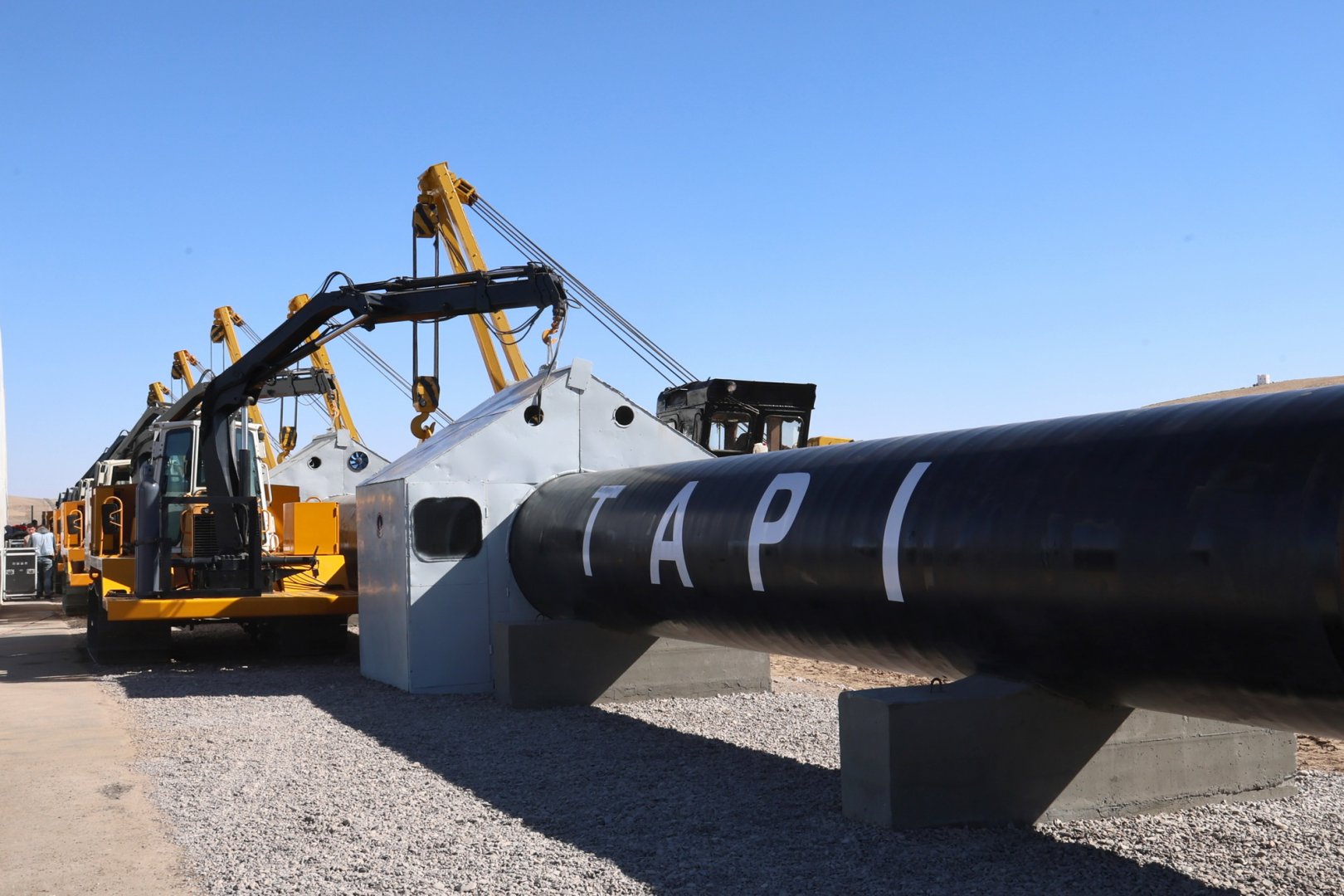
Based on this, the Turkmenistan-Afghanistan-Pakistan-India (TAPI) gas pipeline is once again in the spotlight. TAPI plays an important role in the energy security strategy of the purchasing countries. The project reflects changes in global energy strategies, in which countries seek to diversify their sources of supply, reducing their dependence on maritime routes and vulnerable segments of the global LNG market.