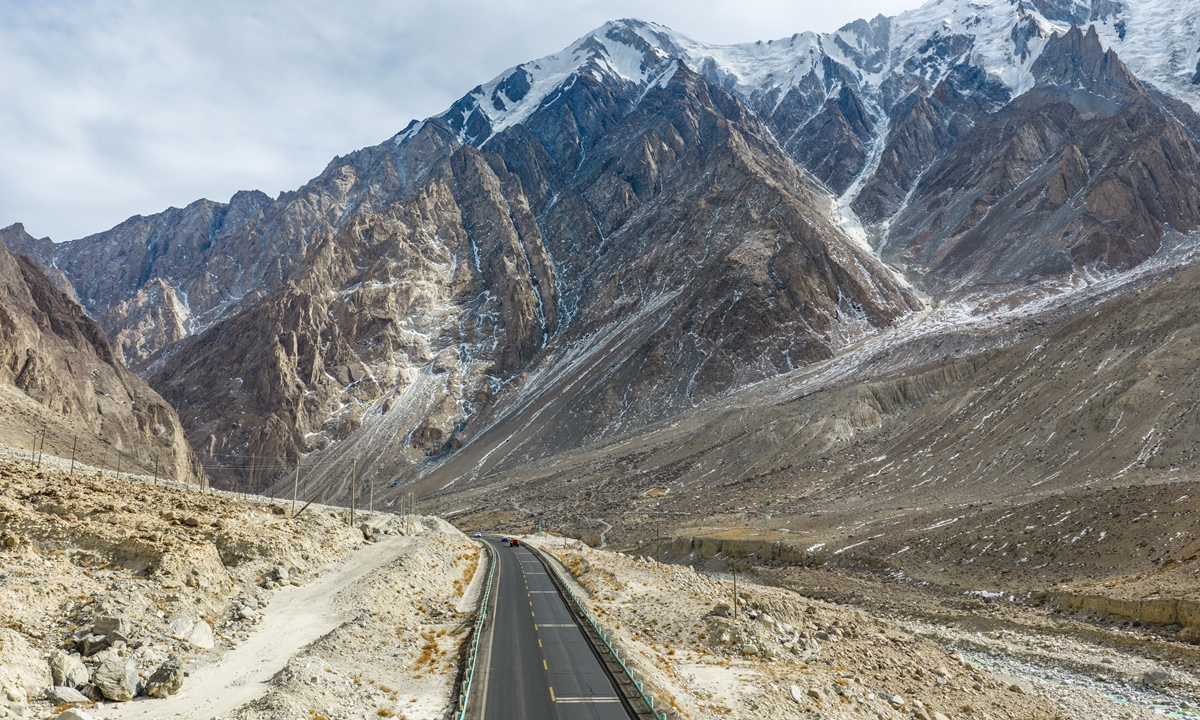

Seventy-five years of Pakistan-China relations reveal a truth that to understand a nation as vast and dynamic as China, one must not mistake a single paragraph for the whole. Our partnership has often been viewed through individual milestones: the Karakoram Highway, the restoration of the People’s Republic of China’s lawful seat at the United Nations, diplomatic ice-breaking between China and the United States, or the construction of China-Pakistan Economic Corridor (CPEC) in recent years. Yet none of these moments alone fully explains the endurance of this relationship. The deeper story lies in something less visible but ultimately more consequential: the gradual construction of strategic trust across generations, different institutions, and changing international orders.
When Pakistan and China established diplomatic relations in 1951, neither country occupied the position in international affairs that it does today. Both were navigating a rapidly changing post-war world and defining their respective paths in an emerging international order. Yet even at that early stage, our leaders recognized that relationships built on mutual respect, sovereign equality, and long-term trust often outlast shifting geopolitical circumstances. Over time, the Pakistan-China relations matured into one of the most resilient and adaptable partnerships in contemporary international relations.
That foundational trust was tested and strengthened in the years ahead. In the early 1970s, Pakistan played a principled role in supporting the restoration of the People’s Republic of China’s lawful seat at the United Nations, reflecting our shared commitment to sovereign equality and the rightful participation of developing nations in global governance.