
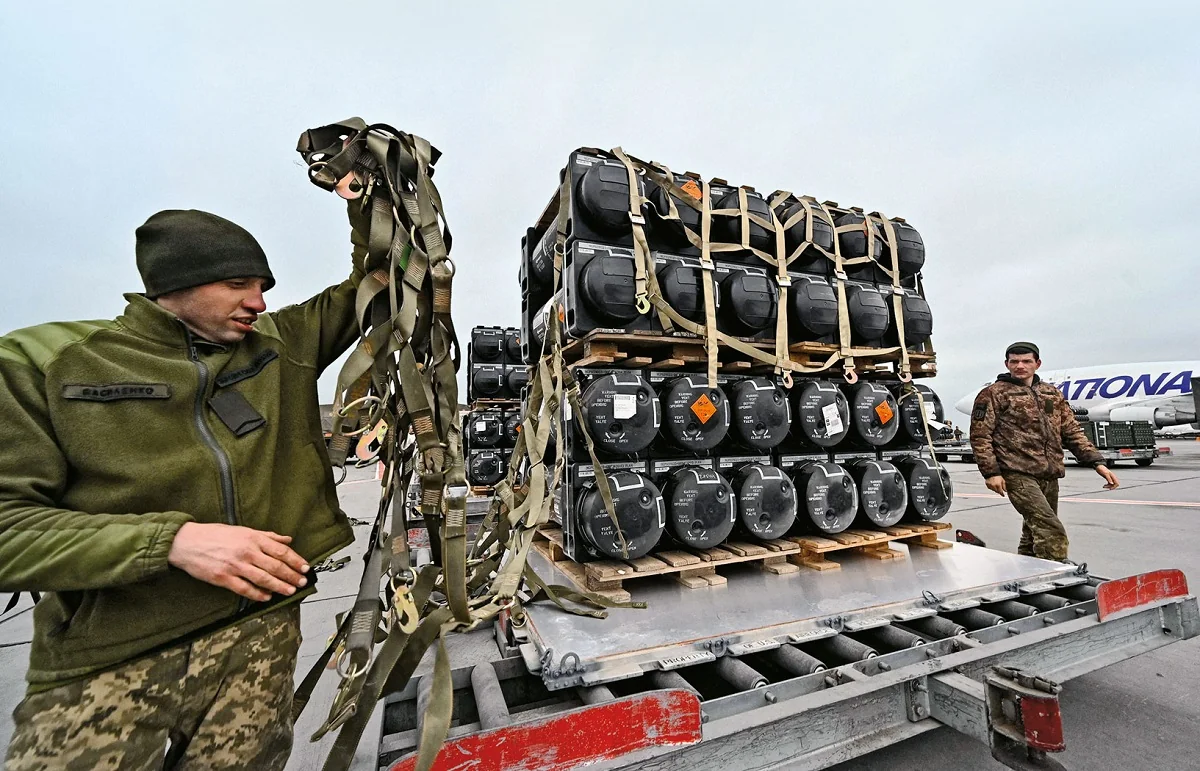


Trump called on NATO naval forces to help him restore shipping through the strait last month, but was rebuffed by European leaders, who stated they were unwilling to become embroiled in the conflict. According to sources, the US leader responded by threatening to halt supplies under PURL – the NATO programme for the procurement of arms for Ukraine, funded by EU countries.
Consequently, at the insistence of NATO Secretary General Mark Rutte, a group of countries, including key alliance members France, Germany and the UK, issued a joint statement on 19 March expressing their readiness to contribute to ensuring safe passage through the Strait of Hormuz. The number of countries supporting this position later reached 35. Rutte held numerous telephone conversations with Trump and US Secretary of State Marco Rubio in the two days leading up to the statement’s publication, two officials said.
White House Deputy Press Secretary Anna Kelly stated earlier: “President Trump has clearly expressed his disappointment in NATO and other allies, and, as the President emphasised, ‘the United States will remember this’.”
Trump has repeatedly expressed dissatisfaction with European allies for not doing more to support the US war against Iran, whilst characterising the Russian-Ukrainian conflict as a problem for Europe, not Washington.