
South Korea plans to impose fuel price caps this week for effectively the first time since 1997, after a sharp run-up in prices that authorities say has occurred even before any Middle East supply disruption has hit the country.
President Lee Jae Myung ordered the measure’s swift implementation in opening remarks at a 90-minute emergency economic response meeting held Monday at Cheong Wa Dae, as the government moved to contain the fallout from the war triggered by joint US and Israeli strikes on Iran on Feb. 28.
The meeting brought together ministers and vice ministers from 11 ministries and agencies, who reviewed the conflict’s potential impact on the real economy, oil and gas supplies, prices, financial markets, and exchange rates, before holding in-depth discussions on a broader government response.
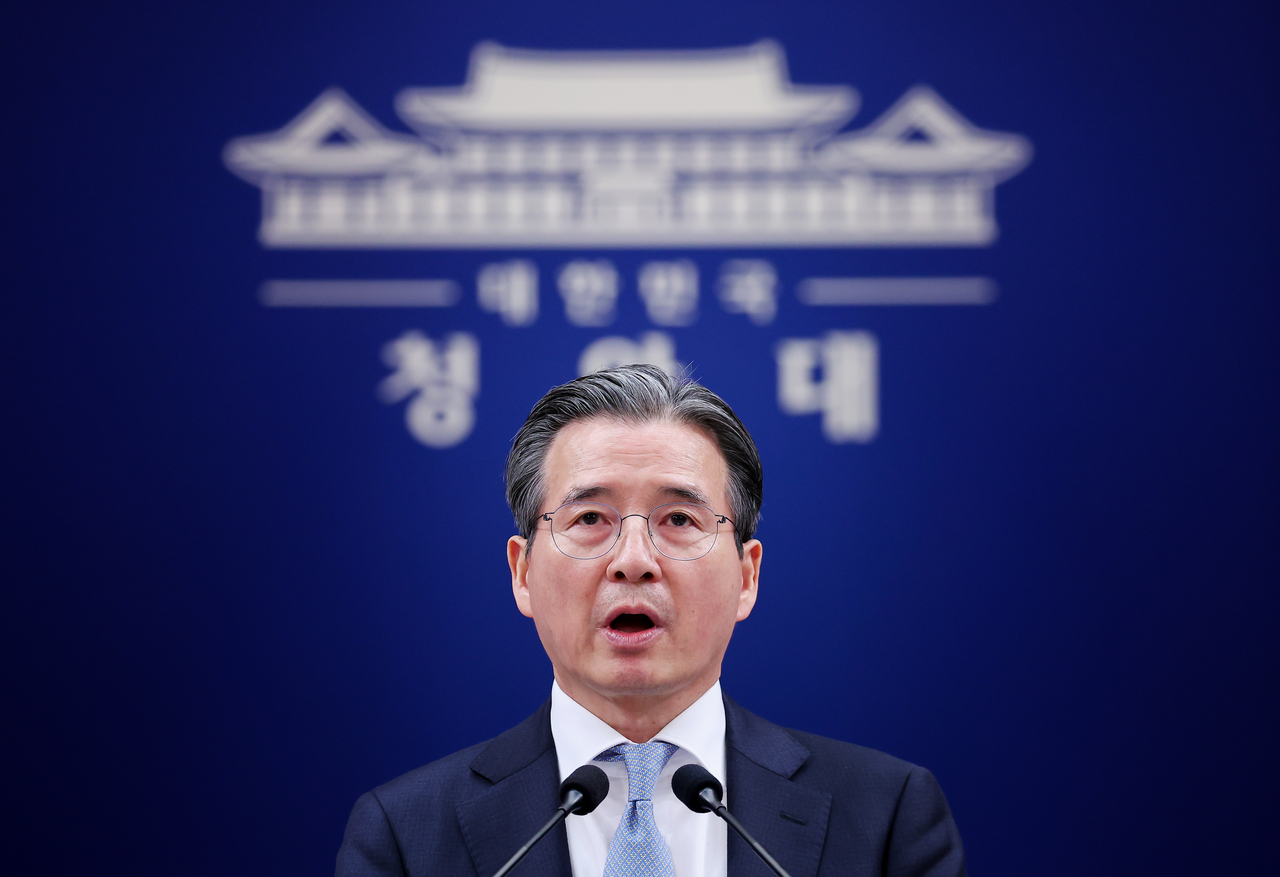
Kim Yong-beom, the presidential chief of staff for policy, said officials focused on the rapid rise in domestic fuel prices; the government is particularly concerned about what it called “asymmetric pricing” by refiners and gas stations — quick to raise prices, slow to bring them down.
The emergency meeting “discussed concrete steps to impose a fuel price cap to prevent abnormal pricing of petroleum products and make prices more predictable,” said Kim, adding that “President Lee ordered the measure to be pushed forward as swiftly as possible.”