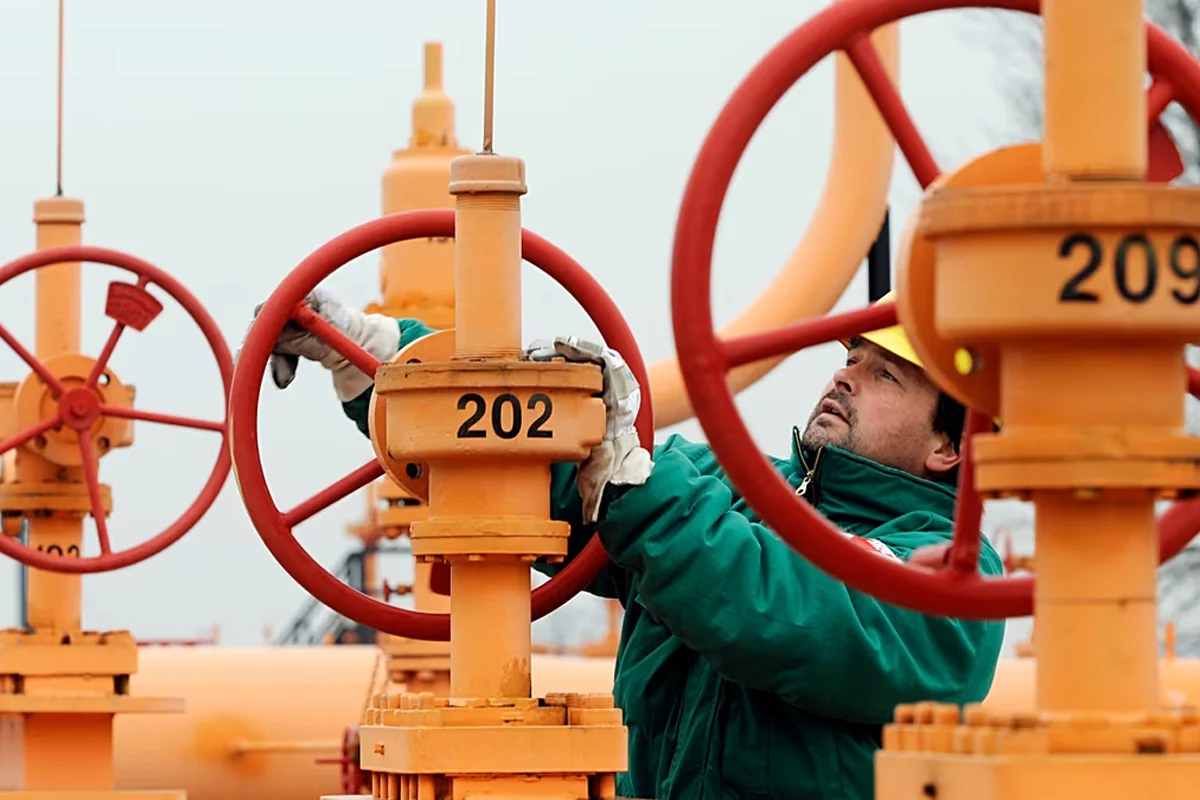


The European Union does not expect any energy supply issues this coming winter, but is preparing for volatility and rising prices against the backdrop of ongoing instability in the global energy market.
“We do not see any immediate risk in terms of energy supply in Europe. However, high prices remain a serious problem for consumers and businesses,” he said.
According to Jorgensen, the conflict over Iran has become yet another “striking example of just how dangerous and costly dependence on imported fossil fuels can be”.
The EU has already lowered the target level for gas storage from 90 per cent to 80 per cent, giving countries greater flexibility in this process. Jorgensen stated that this should ease pressure on prices and the cost of gas injection, but urged that stocks should not be reduced excessively, as this would complicate preparations for next winter.
Fatih Birol, Executive Director of the International Energy Agency (IEA), noted that Europe is heading into a “very challenging winter” and must be prepared for possible disruptions in energy markets. However, the IEA does not yet consider it necessary to release strategic oil reserves on a large scale. Birol reported that countries have already released a significant portion of the agreed reserves onto the market; however, around 80 per cent of the reserves available under the agency’s mechanism remain in storage.